You've possibly heard the terms calibration, confirmation, and modification used mutually in your work environment, however they're in fact three unique procedures that offer different objectives in keeping measurement precision. If you are accountable for quality assurance or instrument management, blending these principles can result in compliance problems, pricey mistakes, and undependable data. Recognizing when to utilize each process-- and why-- can change how your organization approaches measurement integrity and regulatory compliance.What Is Calibration and Why Does It Matter?Precision drives every trusted measurement system, yet also the most advanced instruments wander from their designated precision over time. That's where calibration ends up being essential.You're essentially comparing your test and measurement instruments versus recognized recommendation requirements to establish their accuracy. This process does not entail making changes-- it's simply about recording how your equipment performs against developed benchmarks.Calibration issues since it ensures measurement traceability to national criteria, which is critical for preserving quality in your procedures. When you work with certified calibration laboratories following ISO IEC requirements, you're developing confidence in your data.This paperwork comes to be vital for regulative compliance and quality control programs. Unlike verification or change, calibration gives the foundational understanding concerning your instrument's current efficiency status.The Duty of
Confirmation in Quality Control While calibration informs you how your instrument does, verification validates whether that performance fulfills your specific requirements.You'll use verification as a quality control checkpoint to ensure your instruments preserve acceptable precision levels in between official calibration services. This process includes comparing your instrument's measurements against understood requirements to validate it's still operating within your established tolerances.Unlike accredited calibration, verification does not require comprehensive documents
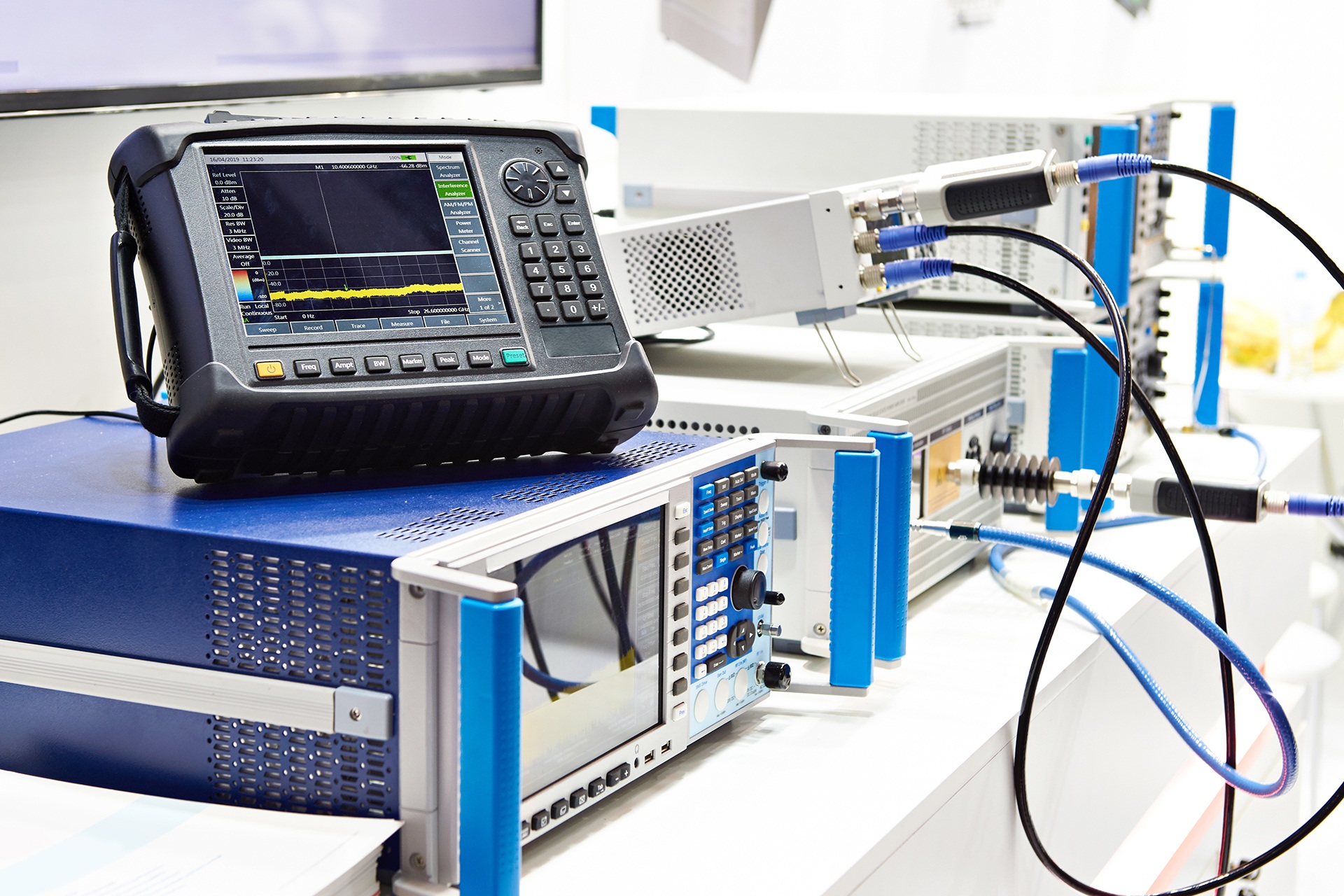
or certifications. You're just validating your testing instruments haven't wandered past appropriate limits.This streamlined process helps you catch measurement problems early, avoiding expensive quality issues downstream. By applying normal confirmation timetables, you'll preserve confidence in your measurement process while extending intervals in between official calibrations.Verification functions as your initial line of protection in preserving measurement integrity.When and How to Execute Instrument Adjustments When your verification results show measurements dropping outside acceptable resistances, you'll need to carry out instrument adjustments to recover accuracy.These changes entail physical or electronic modifications to your measuring equipment to bring analyses back within specifications.Before making changes, you'll intend to recognize the source of variances with methodical troubleshooting.Document all modification procedures and verify results quickly afterward.If your instruments need complicated adjustments beyond your capabilities, call accredited instrument calibration services or calibration and repair services.Professional top quality calibration services offer ISO IEC accredited calibration with thorough customer services support.They'll perform specific modifications utilizing qualified reference requirements, guaranteeing your precision measurements fulfill industry requirements.Key Distinctions In between These Three Important Procedures Although these 3 procedures interact to make sure measurement precision, calibration, confirmation, and adjustment
offer distinctly different purposes in your quality assurance system.Calibration services establish traceability by comparing your measuring equipment
versus accredited reference requirements, usually executed by approved calibration laboratories complying with ISO 17025 requirements.Verification validates your laboratory instrument fulfills specified resistances without making adjustments, essentially inspecting if it's still within appropriate limits.Adjustment includes literally changing your equipment's settings to remedy discrepancies and recover accuracy.You'll need recognized calibration for lawful compliance and precision dimensions, confirmation fast accredited calibration services for routine quality checks, and change just when measurements drift beyond specifications.Quality calibration services handle the complex traceability requirements, while you can frequently carry out confirmation and modification in-house for your test and measurement activities.Best Practices for Application in Your Company Given that your company's measurement precision depends upon methodical implementation, you'll need to develop clear methods that specify when and exactly how to execute calibration, verification, and modification activities.Start by partnering with approved calibration services that meet your industry's compliance needs. Produce recorded treatments specifying measurement intervals, precision resistances, and choice requirements for each and every process.Train your group to identify
when confirmation confirms acceptable efficiency versus when change ends up mechanical calibration being necessary. Implement a durable metrology management system that tracks instrument backgrounds and schedules preventative maintenance.Establish clear duties and duties, ensuring personnel recognize these aren't interchangeable processes.Following these finest techniques
ensures your company keeps measurement honesty while enhancing costs and decreasing downtime through strategic execution of all three critical processes.Conclusion You'll accomplish ideal instrument efficiency by applying calibration, verification, and change as corresponding processes instead of standalone activities. Don't treat them interchangeably-- each offers an unique function in your quality management system. You're constructing measurement self-confidence with calibration's traceability, confirmation's recognition, and adjustment's precision improvements. Start documenting these processes systematically, and you'll keep governing compliance while stopping expensive quality problems that can affect your organization's reputation and profits.